Staff Training and Development – The Benefits of Training Employees
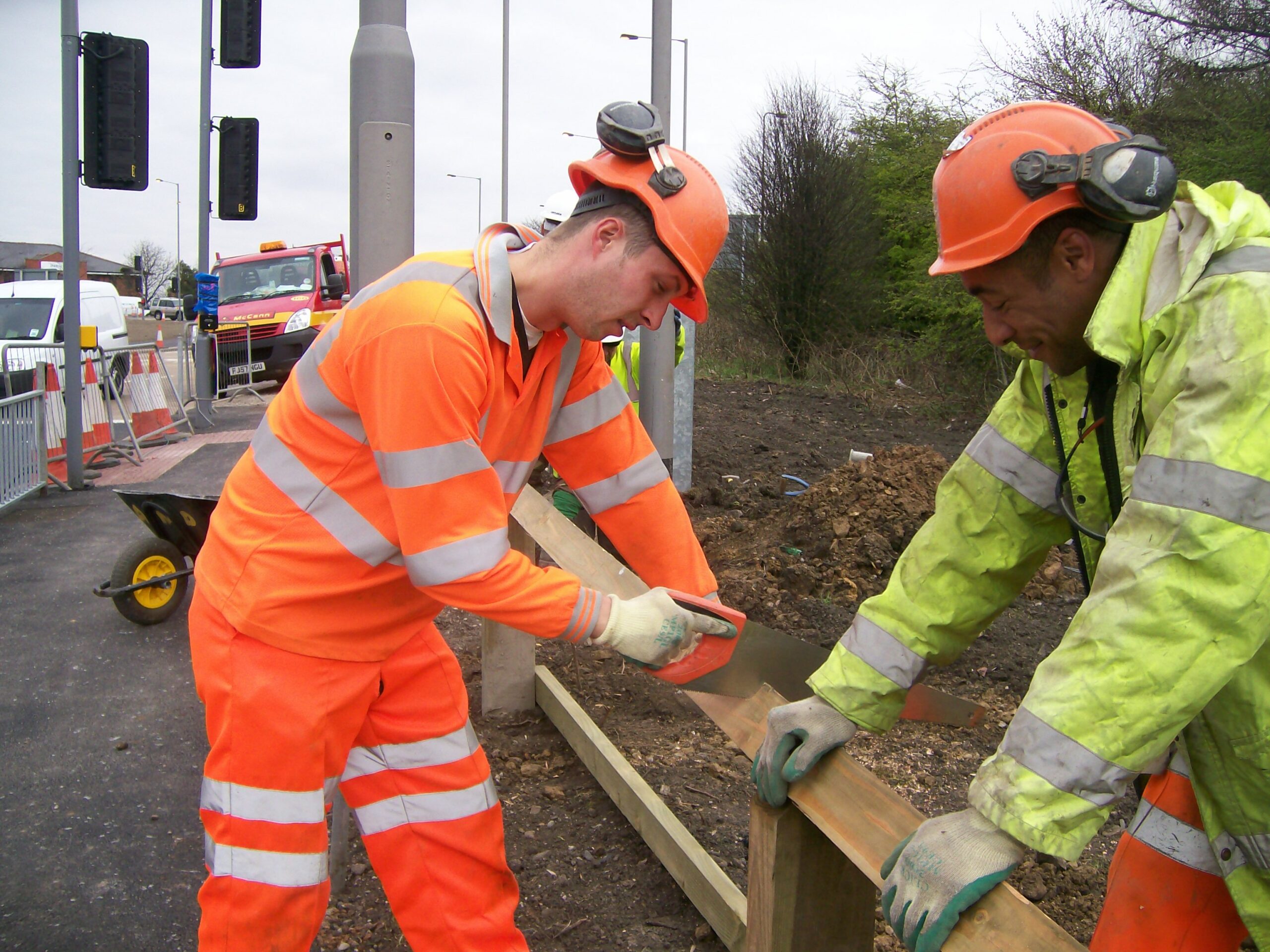

Staff training and development is an integral part of a business, and benefits both the employer and the employee. It is important to the infrastructure of industries and staff training and development can secure the future of businesses and the wider industries.
Benefits of staff training for a business.
Businesses have a duty, and often a legal obligation to train their staff. However, staff training and development should not be seen as an inconvenience and unnecessary expense, as there are many benefits of training.
Training goes hand in hand with business growth and effective performance. It can:
- Positively impact business productivity.
- Reduce staff turnover.
- Increase staff motivation and the quality of their work.
- Up-skill your existing workforce.
- Increase your competitive advantage.
- Keep pace with your rivals.
- Keep pace with the everchanging dynamics of modern day industries.
Henry Ford, founder of the Ford Motor Company said:
“The only thing worse than training your employees and having them leave is not training employees and having them stay”.
Who are we to argue? His company seems to have done alright!
One stumbling block is obviously the cost. However, increased productivity and profitability are benefits of training.
Alongside this, extensive funding is available to support businesses with the cost. For example, our apprenticeship programme is fully funded for 16 – 18 year olds and is 75% funded for ages 19+.
Benefits of training to employees
Alongside the benefits to the business, the employees also benefit from investment in training. The benefits to staff include:
- Improved work safety practices and productivity.
- Increased motivation.
- Increased loyalty.
- Improved skill set allowing them to complete jobs more effectively.
Training employees often makes them feel valued and important in a business. This improves aspects such as; motivation, loyalty and staff retention.
Clearly, there are benefits of training to both employees and to the business. Staff training and development should be an integral part of a businesses plan.
Benefits of staff training and development for the industries
The benefits of staff training do not just extend to the businesses and the employees. It is imperative for the future of industries that training is undertaken.
As industries continue to grow there is an increasing demand for skilled and competent workers. In order to secure the future of the businesses and the industry as a whole training is crucial.
For example, the UK construction industry reports a skills shortage due to the ageing of its workers and the lack of skilled new entrants. Training is one way to counter-act this shortage and up-skill the workforce. It is important, to attract young people to the industry.
Training is one way of doing this as they can see a future in an industry where they will be valued and will continue to learn and progress throughout their careers.